Inspired by the artists featured in the Pinault Foundation’s exhibition, “Minimal,”(1) the grid, omnipresent in our cities, is one of the most striking examples of how urban resilience resonates with the artistic process.
Grids operating beyond the frame or as an inside mapping of the world, according to historian Rosalind Krauss (2), grids of lanes contributing to Detroit resilience as shown by Foster & Newell (3), grids of paths, edges and nodes patterned together as conceptualized by Kevin Lynch (4), grids of Morellet, grids of Mondrian …
Grids not only structure our environment. They also build a bridge between the objectivity of urban resilience and the subjectivity of the artistic process. And by doing so, recall the pedagogic role of Art.
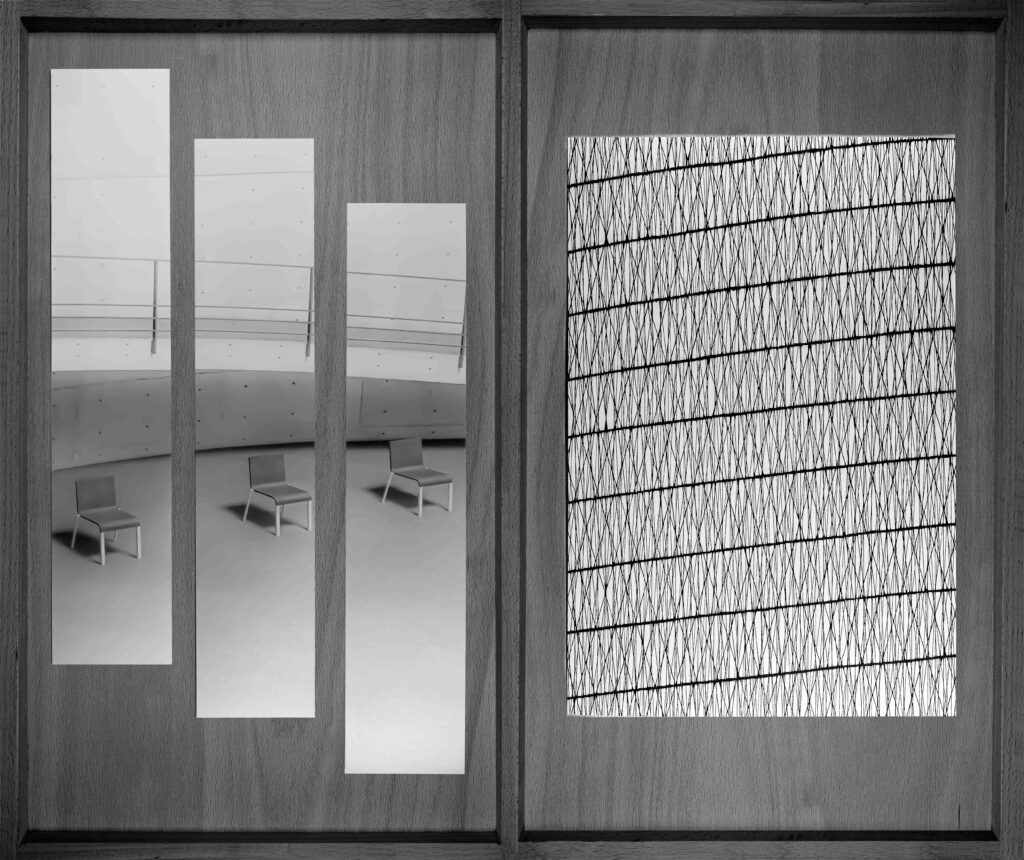
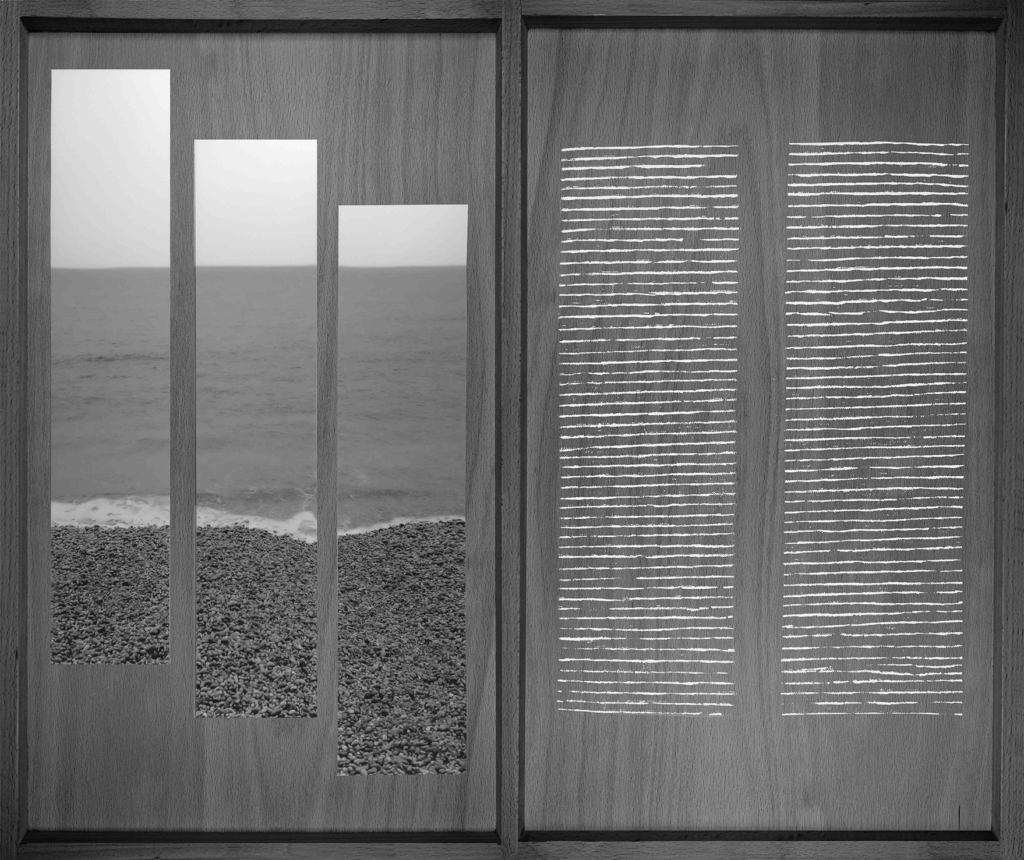
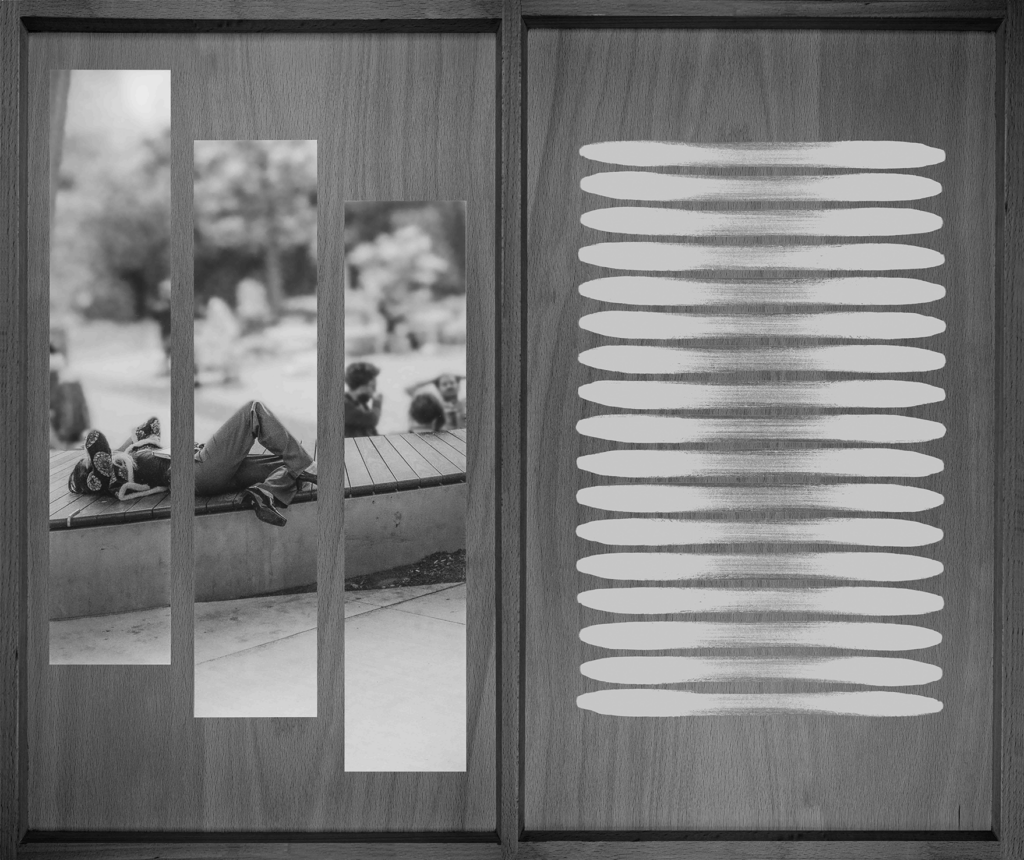
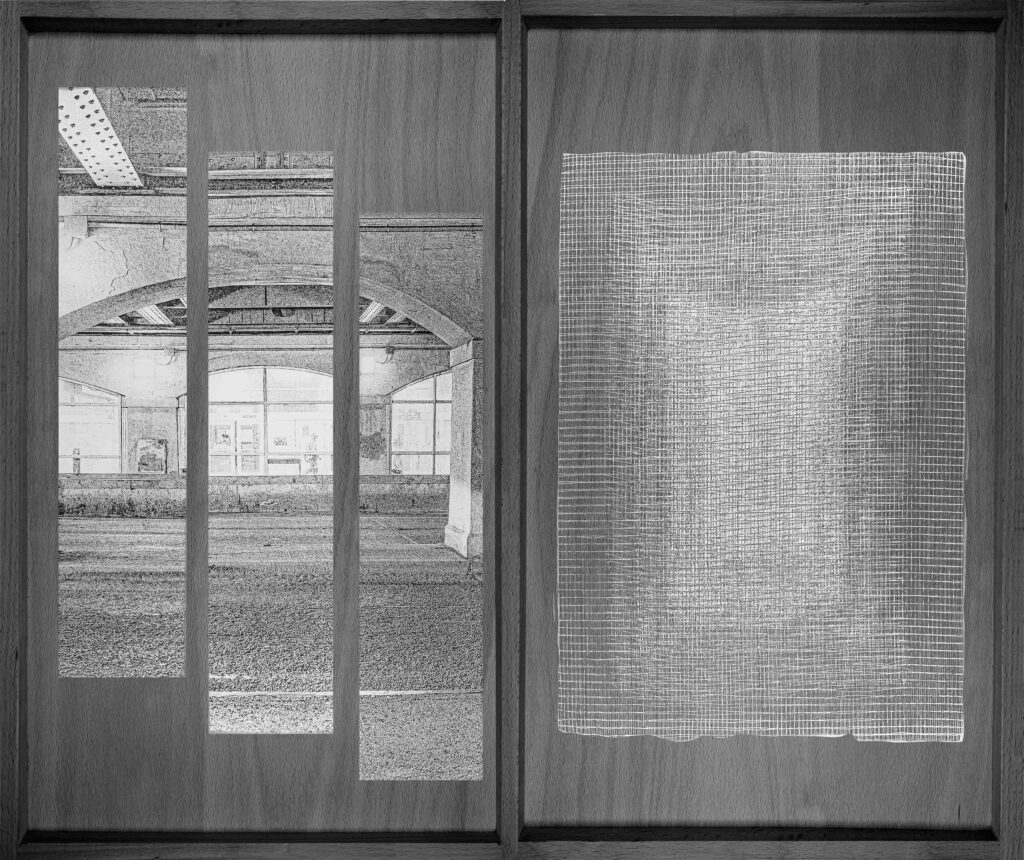
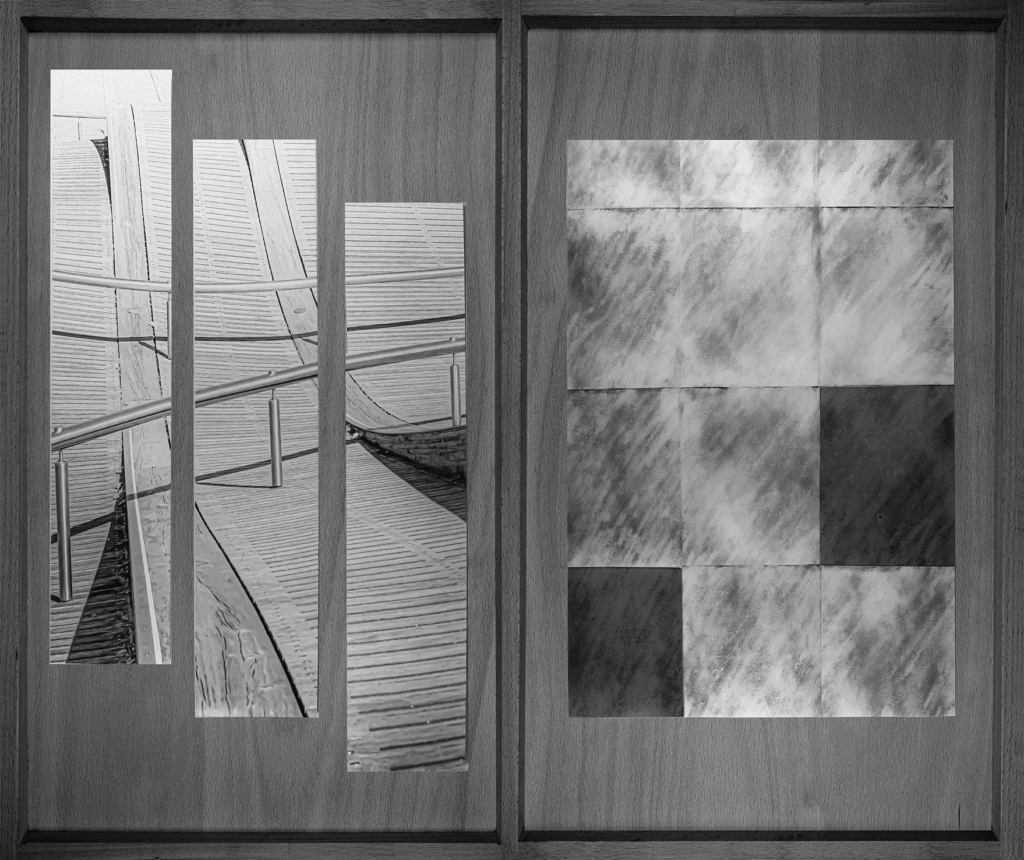
The below series of photographs celebrates the symbolic dimension of grids both urban and artistic. Mounted on a double wooden box, straight or broken lines, curves of urban views and landscape connect with the artistic pattern language.
Wood box: 60 x 50 cm (23,6 x 19,7 in) / Triptych: 3 * 0,72 x 34,6 cm (0,28 x 13,6 in) / Grid: ab 22 x 35 cm (ab 9 x 14 in)
like your triptych grids!
thanks for posting.
Instagram @keanarthistory