About
urban resilience
and
photography.
The ambiguity.
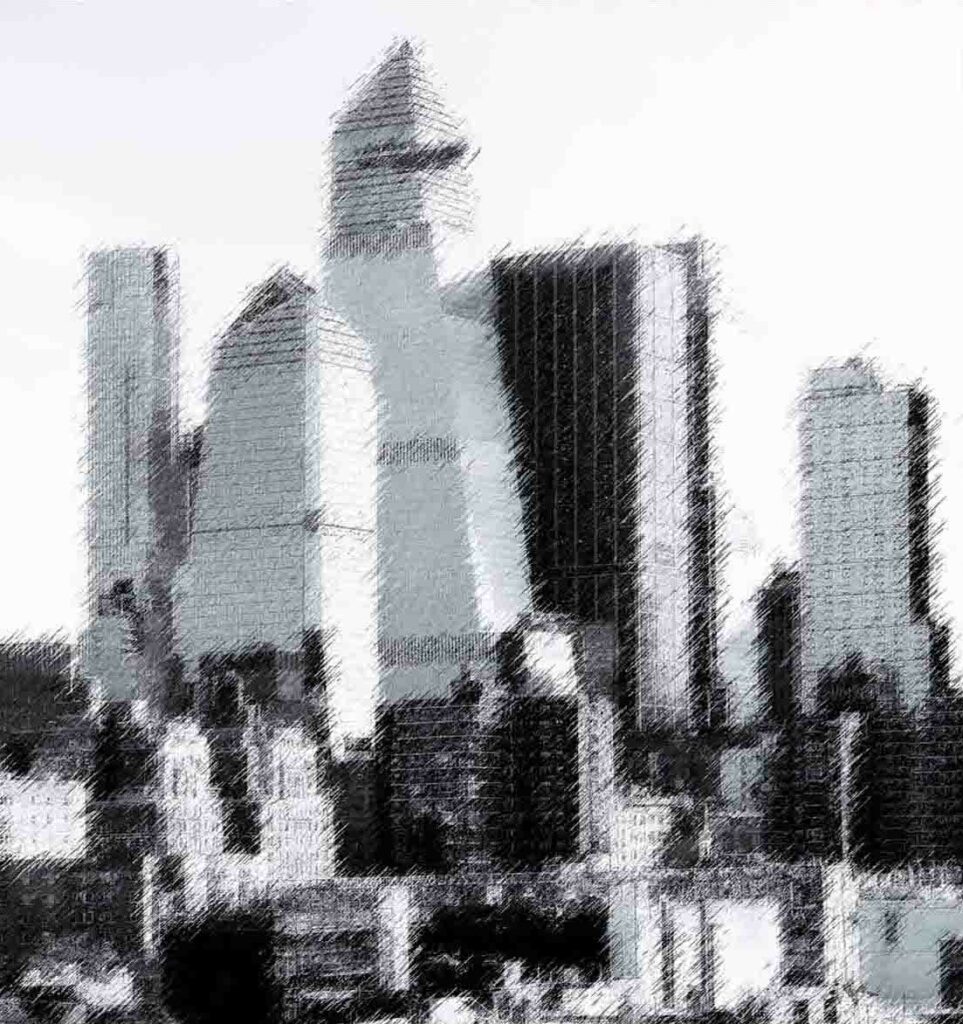
Much has been written about the conceptual framework of urban resilience and how to operationalize it, engage all stakeholders, and make it useful to the community. But what does the concept really mean? A decade ago, twenty-six definitions of urban resilience were reviewed (*), adding ambiguity to complexity. Ultimately, there is no need for a definition if we do not agree on the prerequisites and the ultimate objective backing the concept: we cannot separate people from their urban places, as both belong to the same process, the urban way of life. Understanding such prerequisites is key as it enables to conceive how our contemporary thinking articulates the relationship of urban citizens with their environment, with a one and unique objective: the well-being and well-living of people together.
(*) https://www.researchgate.net/publication/288932192_Defining_urban_resilience_A_review
Integrating photography & pedagogy.
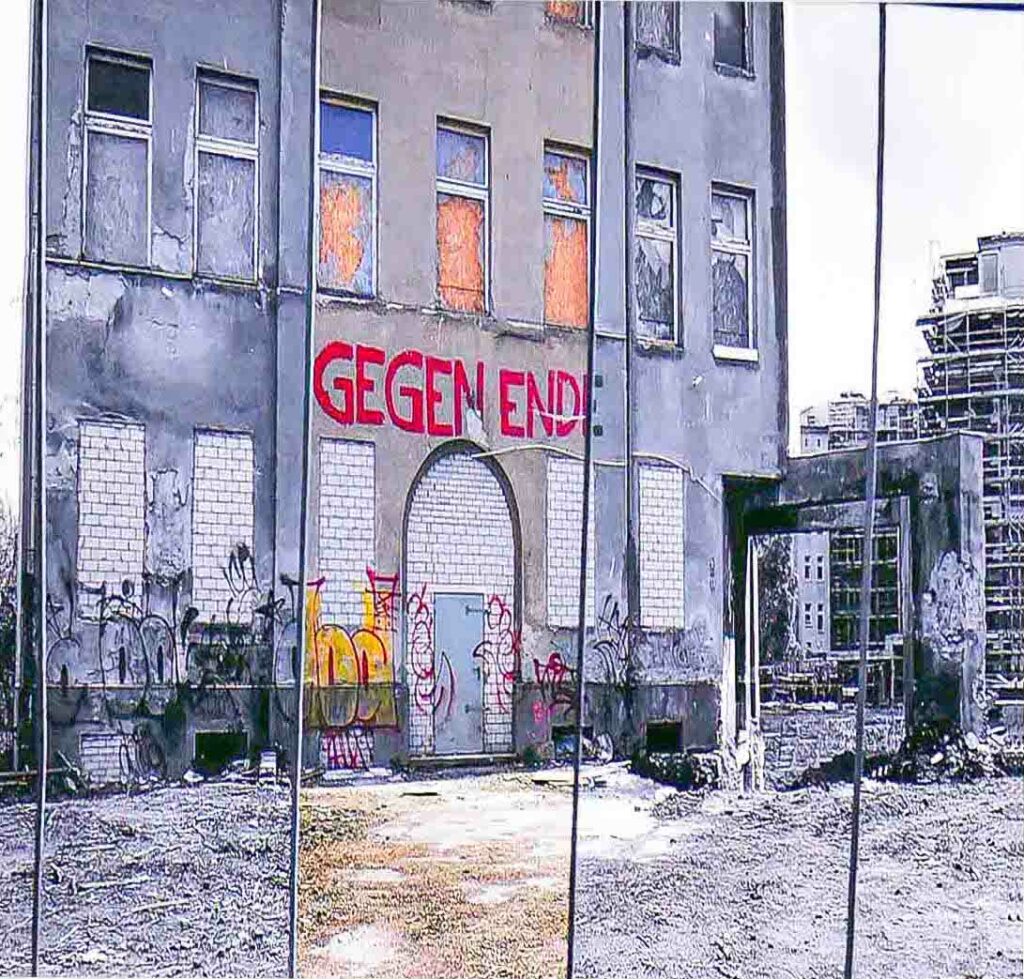
Like most artistic approaches, photography’s strength lies in leading the way to unconventional narratives that provide a better understanding of the world. Its vision of reality enriches the collective debate and allows a significant change by shifting the perspective to more open-minded views. It provides the opportunity to understand reality differently, either through our sense of reason or our sense of emotion, or both. It helps to identify the changes, to question possible causes, to rethink the standard and the positions on which a policy is based. It will be meaningful on one condition: to connect with the experiences and sensitivities of the citizens, while ensuring that the teaching process can inform them about the threats and challenges related to the concept of urban resilience.
Siver gelatin paper.
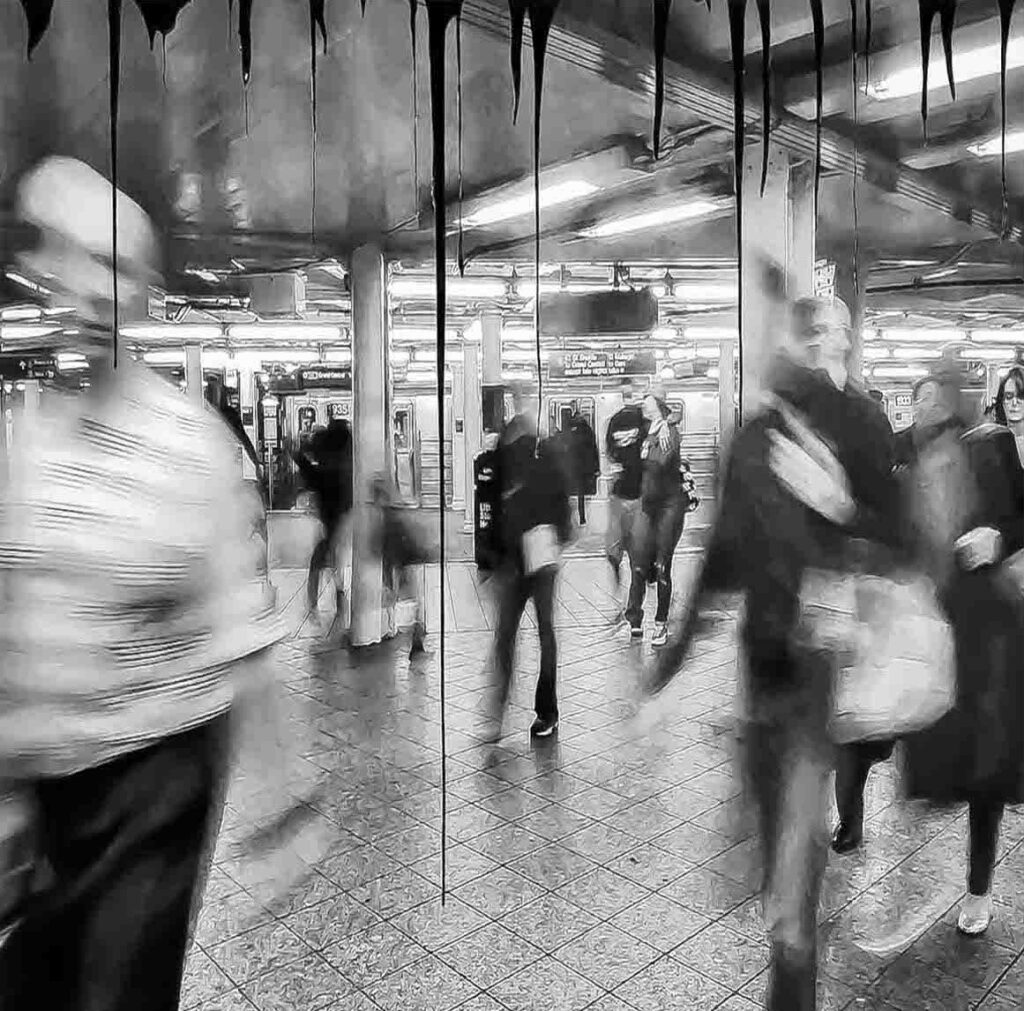
Like a metaphor for a world in which unpredictability has become the new norm, silver gelatin photographic paper, when exposed to light, reflects the complexity of urban spaces. The darkening of the paper under daylight depends on several factors, including light intensity, the UV index, and the angle at which light refracts across its surface. This interplay of multiple parameters echoes the interdependence of the social, environmental, and architectural factors that shape the occurrence of hazards within our environments.
Initially, silver gelatin paper was used to confront the permanence of a picture printed on photographic paper with its counterpart, whose appearance evolved, wholly or in part, according to its exposure to light and chemical treatment. Over time, this confrontation gave way to a suggestion—a signature that acts as a question mark. A signature that continues to evolve over time, never reaching a fixed state, its transformation unfolding with varying intensity according to daylight conditions. A signature that invites us to question our ability to challenge what we take for granted and to reflect on the resilience of urban spaces.